Doc Bar
A racehorse who earned $95 in four starts, was compared to a fat hen, and ended up behind almost every cutting pedigree written since. With a dentist, and a lawn.
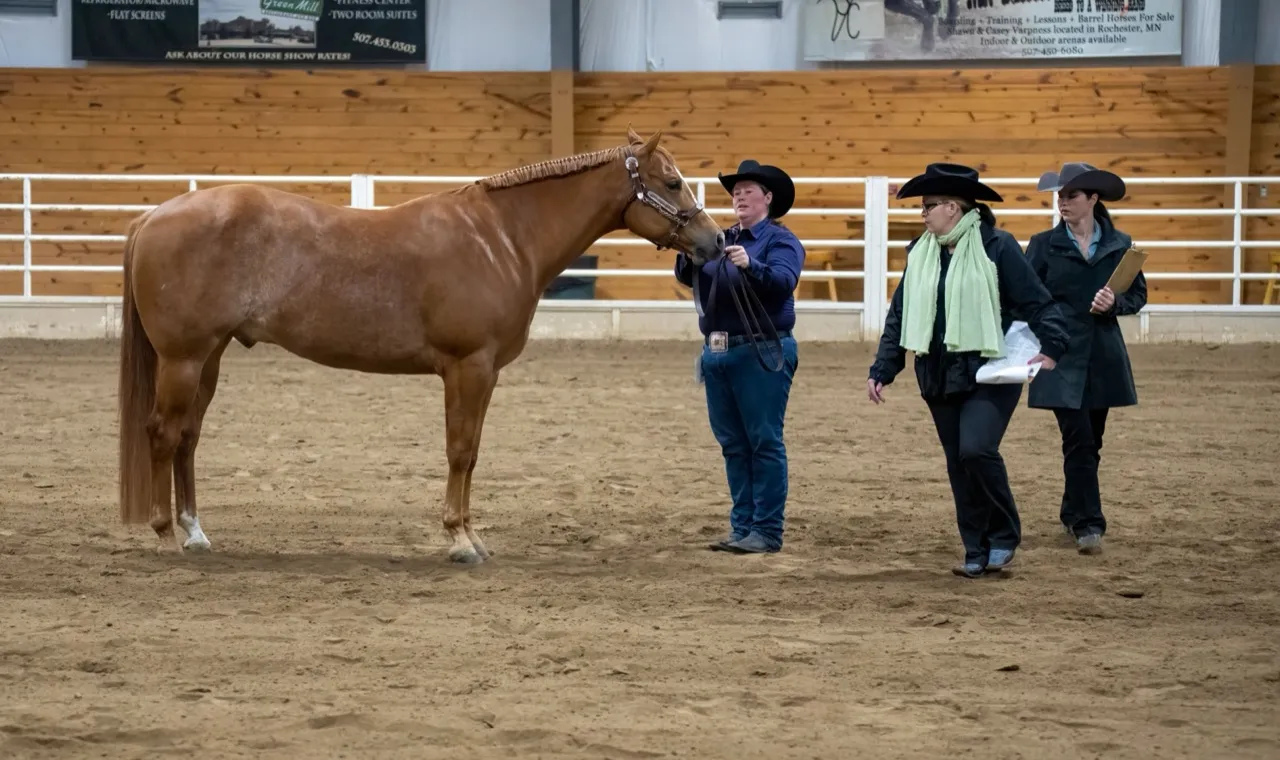
Every sport has a horse everybody’s horse goes back to. In cutting the word for him is Doc, and you meet it everywhere: Doc O’Lena, Dry Doc, Doc’s Hickory, Doc’s Oak, Docs Prescription, Docs Remedy. Somewhere behind all of them stands a chestnut stallion who was bred to run fast and could not, and I have a soft spot for him that I am not going to pretend is entirely rational.
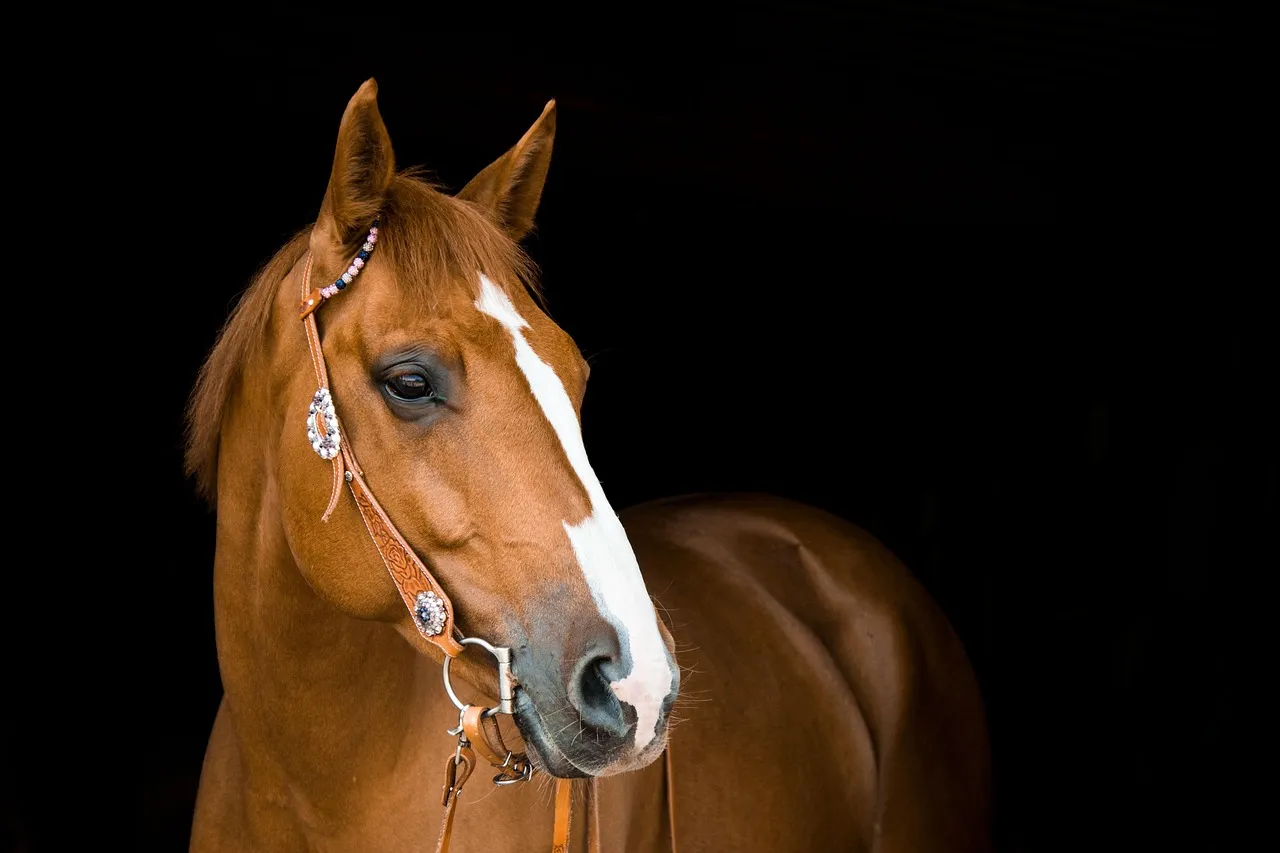
His name was Doc Bar. He earned ninety-five dollars on the racetrack, in total, over four attempts.
Bred for Speed, More or Less
The Bar in his name is a Thoroughbred called Three Bars, foaled in Kentucky in 1940 and named by men who hoped he would pay off like a slot machine. He did, eventually, as a sire of Quarter Horses. One of his sons was Lightning Bar, who raced one season, won four of ten starts, earned $1,491 and then died of a virus at nine, having stood at stud for six years at a fee that started at $250 with nine mares turning up.
In his second season a rancher called Tom Finley sent him a racemare called Dandy Doll, who had won or placed in ten of her twenty-one starts and whose first three foals had all been by Three Bars himself. It was the only time she was ever bred to him. The colt arrived in 1956 on the Finleys’ ranch in Arizona, and everyone concerned expected him to run.
He went to the track at two. Four races, one third place, beaten by a combined ten and a half lengths, and $95 in four outs. Somebody at the time, according to Quarter Horse News, compared him to a fat hen trying to run. I would love to know who, because they were about to be spectacularly wrong for the rest of their life.
The Man Who Had Already Asked
Here is the detail I like most. A California horseman called Charley Araujo had seen the colt as a foal, still on his mother, and had asked Finley then and there whether he could have him if he turned out not to be able to run. So when the racing went the way it went, the fat hen was handed to Araujo to be shown at halter, which is the class where a horse is judged standing still on how it is built.
He was shown fifteen times and came home grand champion from most of them. And this is where the story turns from a nice anecdote into something that changed a breed, because he did not look like the horses that were winning. The registry’s own account says he did not have the punched-together look of his contemporaries, and that the guidelines for halter champions were altered almost overnight. He was small, a hair under 15 hands, and Araujo, who measured him, insisted on 14.3¾. He had a beautiful head and no speed whatsoever, and the judges of California started to prefer him to everything else in the ring.
A Dentist, a Ranch and a Lawn
In the autumn of 1962, when he was six, Doc Bar was bought by Dr Stephen Jensen, a dentist from Orinda in the San Francisco Bay Area, and his wife Jasmine, for $30,000, which was a very great deal of money for a halter horse who had never done anything else. They took him to their 680-acre ranch near Paicines, and everybody they spoke to told them the same thing: if you are going to stand a halter champion, you will have to go and buy halter-type broodmares.
They never did. They kept the cow-bred mares they already had, and for years almost nobody came. In 1966 only fifteen people brought outside mares to the most influential stallion in the history of the sport. Their son-in-law, Charlie Ward, had got interested in cutting and had been getting some early help from a man called Buster Welch, whom you will meet again in the Little Peppy post, and Ward started pointing the Doc Bar colts at cows instead of at judges.
Then in 1963 the Jensens bought a mare, and this is the part of the story I would put on a plaque.
Poco Lena was a bay cutting mare, foaled in 1949, who had been reserve champion of the world three years running and was, by any measure, the best of her generation. She had foundered, the hoof disease that cripples a horse from the feet up. Then, on a trailer journey home from Arizona, the driver heard that her owner had died, and abandoned her. She was found days later, still in the trailer, her feet far worse. The Jensens bought her in that state, specifically to put her to Doc Bar, and then nursed her for three years before she could carry a foal. She lived in the front yard, because it was the softest ground on the ranch.
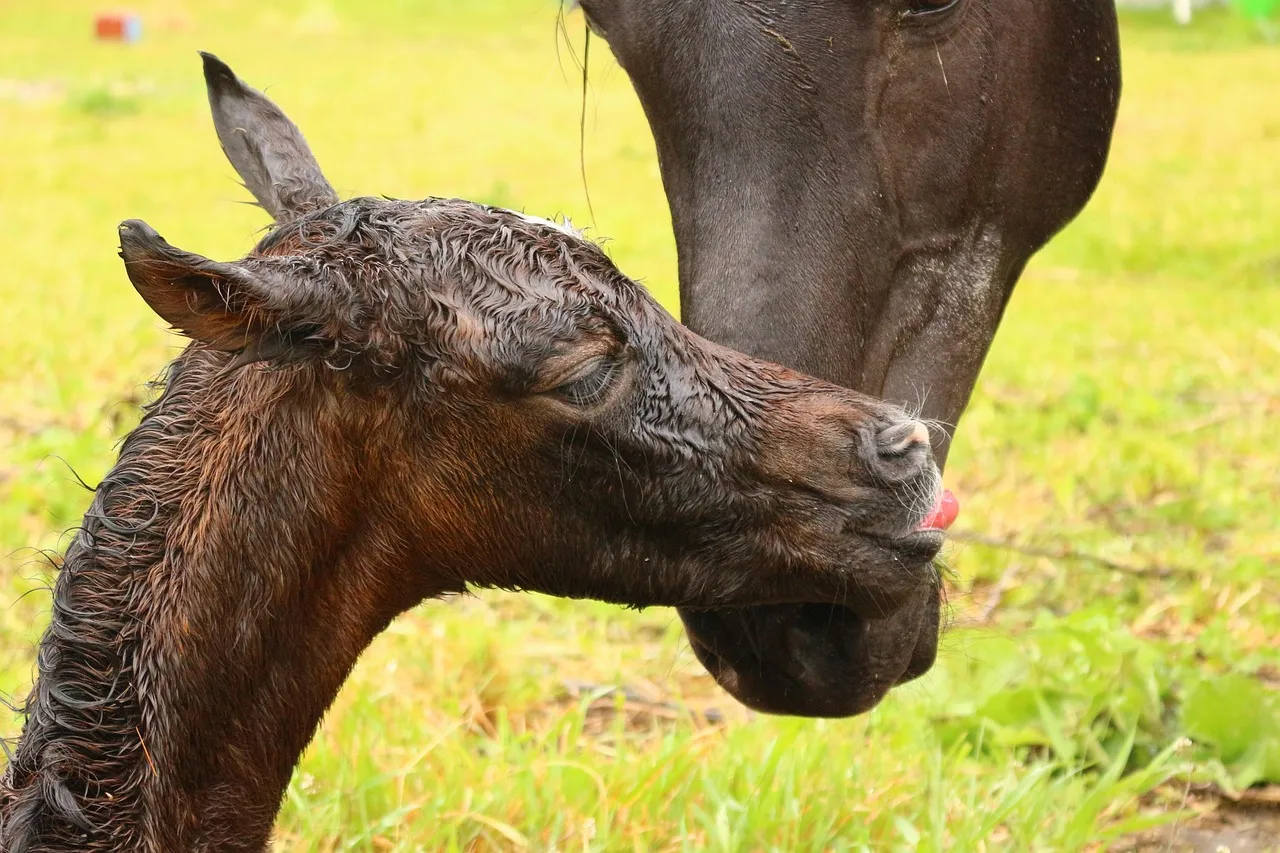
On 21 June 1967 she produced a colt. They called him Doc O’Lena. The following year, at nineteen, she produced Dry Doc, and then she died. Two foals in her whole life, both by the fat hen.
Four Out of Five
Doc O’Lena went to a trainer called Shorty Freeman, who always said afterwards that the colt had trained himself. At the 1970 NCHA Futurity, the championship for three-year-olds I keep coming back to on this blog, they became the first pair ever to win every round of it, go-rounds, semi-final and final, clean. The next year Dry Doc won it with Buster Welch in the saddle. By the time the 1974 Futurity was over, Doc Bar’s sons and daughters had won four of the last five.
Now the mares came. His book filled to the point where the Jensens closed it, his fee went to several thousand dollars in an era when a few hundred was normal, and his foals were being sold for $10,000 to $35,000 before they had stood up. Doc O’Lena was syndicated in 1978 for $2.1 million, which nobody had ever paid for a cutting horse. Charlie Ward’s summary of what made the family work is the one I would carve over the barn door: his colts are all uniform, they have a lot of sense, and every one of them is cowy.
What the Word Means Now
Doc Bar bred mares until he was nineteen, sired 485 registered foals, and died at the Double J in 1992, aged 36. He went into the breed’s Hall of Fame the following year. Doc O’Lena begat Smart Little Lena, who won the first Triple Crown. A Smart Little Lena daughter produced High Brow Cat. High Brow Cat produced Metallic Cat, and if you have read that post you know where the story goes from there, because it is still going. In 2019 the champions of cutting, of reined cow horse, of reining and of rodeo roping all traced back to a chestnut who could not outrun a fat hen.
I said at the top that my soft spot for him is not entirely rational, and here is the irrational part. I like that nobody involved knew. Finley wanted a racehorse. Araujo wanted a halter horse. The Jensens wanted a stallion and were told to buy the wrong mares for him. It took a son-in-law, an abandoned mare, and a dentist’s front lawn to find out what the horse was actually for, and it was none of the things anyone had bought him to be.
I have a back garden. It is very soft. I am not saying anything.