How a bridle horse is made
Snaffle, then hackamore, then two-rein, then the bridle. AQHA's rulebook says the process takes years rather than months, and the class is built on it.
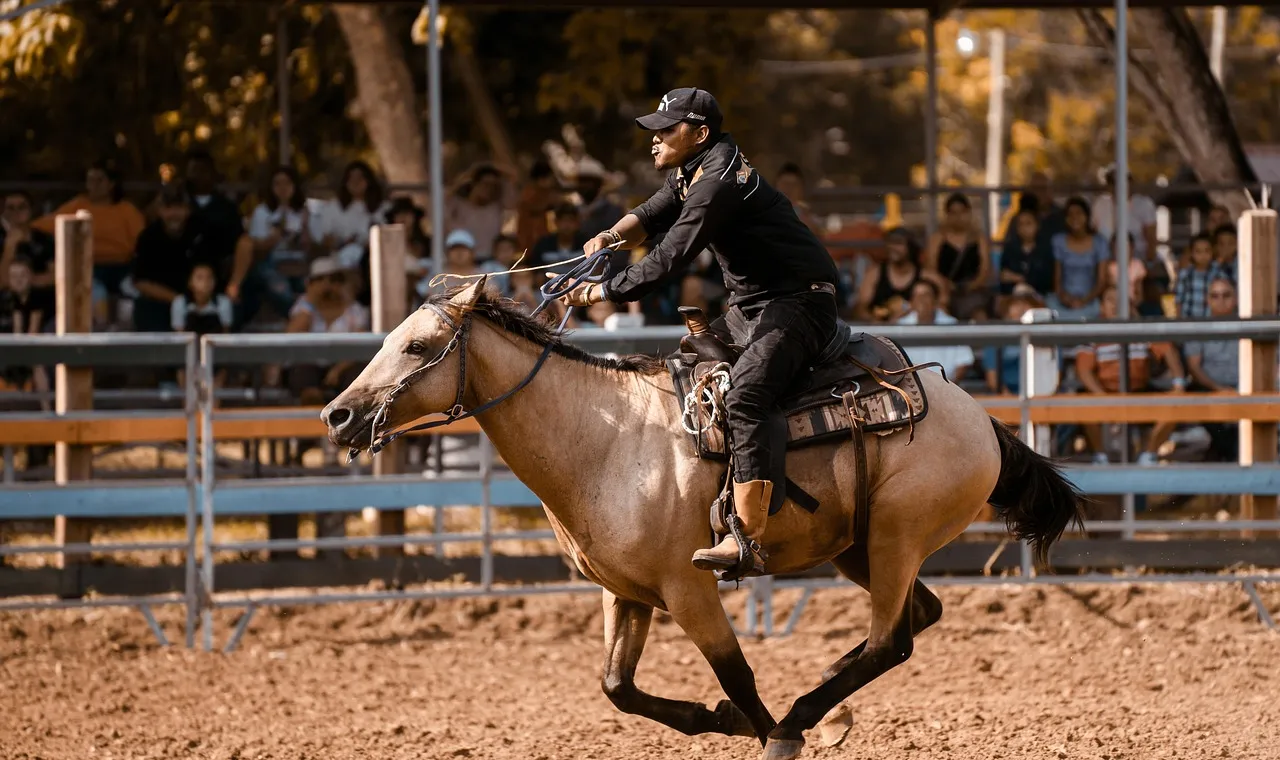
Most rulebooks describe what a class looks like. AQHA’s working cow horse rule describes how the horse got there, which is unusual enough to be worth a post on its own.
The class, it says, is based on the traditional vaquero training techniques used to develop the most highly schooled of all cow horses, the bridle horse.
Four stages, in order
The training begins in a snaffle bit. It progresses to a hackamore, then to the two-rein, on the way to the bridle.
That is a curriculum, written into a rulebook, and the rulebook is blunt about the timescale: this method takes years rather than months.
A snaffle works by direct pressure, so the rein does what the hand does, with nothing multiplying it. A hackamore takes the bit out of the mouth entirely and works on the nose and jaw through a bosal. The two-rein carries both at once, bridle and bosal together, while the horse is transferring from one to the other. Then the bridle.
Each stage removes something. By the end the horse is being asked with less than it was asked with at the start, and the point of the years is that it still answers.
What the class is scored on
Both halves are compulsory: a reined work, which is a pattern, and a cow work, where a single cow is held and worked down the fence.
The cow work is scored on the horse maintaining control of the cow at all times, exhibiting superior cow sense and natural cow working ability without excessive reining or spurring.
Without excessive reining or spurring. The measure of a bridle horse is how little is visibly being done to it.
The greater the difficulty, the more credit, and the rulebook says where difficulty comes from: the extreme speed or stubbornness of the cow, or its reluctance to move down the fence when the rider has driven it enough. The most controlled cow work with the highest degree of difficulty is marked highest.
The faults are a description of a worried horse
AQHA lists what counts against a working cow horse, and read together the list is a portrait rather than a checklist.
Exaggerated opening of the mouth. A hard or heavy mouth. Nervous throwing of the head. Lugging on the bridle. Halting or hesitating while being shown, particularly when being run out, which the rulebook reads as the horse anticipating being set up.
Every one of those is a horse bracing against its rider. A bridle horse that has been rushed through the four stages shows it in the mouth and the head, and the fault list is written to catch exactly that.
The other side of the ledger is shorter. Good manners. Shifty, smooth, feet under it at all times, hind feet well under when stopping. A soft mouth that responds to a light rein, especially turning. Head maintained in its natural position. Working at a reasonable speed and still under the rider’s control.
Why this one stayed with me
A sport that takes its scoring standard from a training tradition is admitting that the run you watch is the last two minutes of something much longer.
There is a rule that follows from it and is easy to miss: horses five and under may be shown in a snaffle bit or a hackamore, in a class of their own. The young horses are not asked to compete against the finished ones. They are competing at the stage they have reached.
The bridle horse at the end of it all is being ridden on a bit with shanks, one hand, minimal visible instruction, in front of a cow that does not care. Getting there took years, and nobody watching the last two minutes can see any of them.