My daughter wants to swim with a horse
It is the thing she asks for. So I went and found out what it actually involves, and the answer is less romantic and more interesting than the photographs.
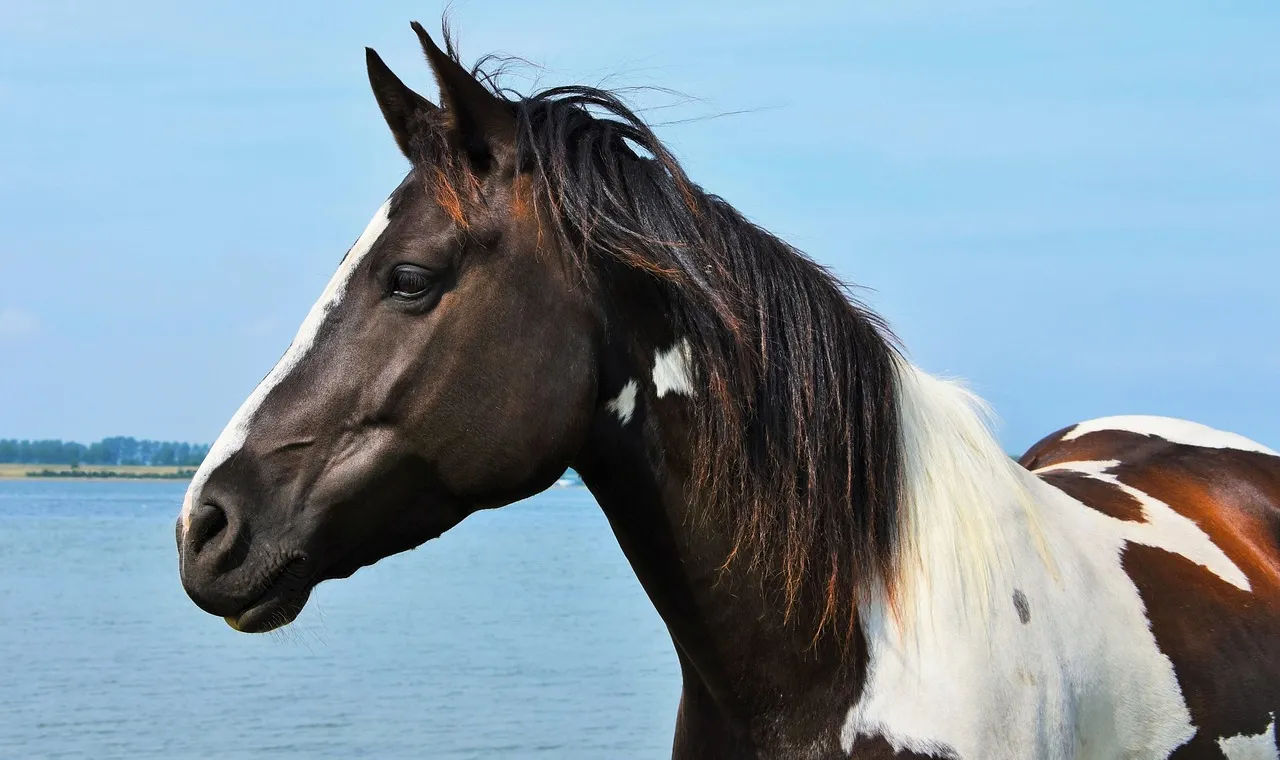
My daughter is nine, rides at a riding school, and has one specific thing she wants from a holiday. She wants to be in the sea with a horse.
I understand the appeal completely. It is also the request I knew least about, so I went and read.
What actually happens when a horse swims
A horse floats better than its shape suggests, because its lungs are large and full of air. It paddles. The head has to stay up, and the legs have to keep moving.
The part that changed how I think about the photographs: a horse cannot hold its breath. A person can duck under a wave on purpose. A horse cannot, and does not understand the option.
So a swimming horse is an animal doing something strenuous, with its airway a few centimetres above the surface, carrying whatever you have put on it.
Which is why riders get off
The advice from people who do this often is not what the holiday photographs show. Once the horse is properly swimming, experienced riders commonly slide off to the side and float alongside, holding the mane, rather than staying on its back.
The reasoning is straightforward. A rider is weight, and weight in deep water pushes the head lower. Getting off helps the horse.
There is a safety side too, and it is blunt enough to be worth stating plainly. Falling off a horse in deep water puts you in the water with its legs, which are moving hard, and being struck there is a serious matter.
I am not going to turn that into advice, because I have never done it and I am not qualified to. What I will do is point at somebody who is.
What the vets say to do
Equine Medical and Surgical Associates put out guidance that reads like a checklist for exactly this.
Choose calm water with a gradual increase in depth. No strong currents, no waves, no sudden drop-offs. Nothing sharp on the bottom, no debris, no pollutants, no stagnant water or algae blooms. Introduce the horse gradually rather than riding it straight in. Have somebody with you. Watch for overexertion, particularly in a horse that is not used to swimming. Remember the water is deceptively cold even in summer. Rinse and dry the horse thoroughly afterwards.
Read that list next to a mental image of a family walking three strange horses into the Atlantic on day one of a holiday, and it becomes obvious why this is something you do with an operator who does it every week rather than something you improvise.
The trip I keep looking at
A four-day horseback journey by the Atlantic at Essaouira, in Morocco, sunrise and sunset rides, all meals included, from around 4,100 kroner per person.
Morocco is four hours from Copenhagen. The beach at Essaouira is long, flat and famously windy. Four days is a length a nine-year-old can hold her enthusiasm across.
Whether that particular operator takes horses into the water, and how deep, and with the rider on or off, I do not know. That is the question I would ask before booking anything, and I would ask it before I mentioned the trip to her.
The bit I did not expect to be thinking about
She wants to swim with a horse because it looks like joy, and it is. It is also an animal working reasonably hard in an element it cannot breathe in, being asked by somebody it met on Tuesday.
That does not put me off. It makes me want to do it properly: right water, right operator, and a father who has read the checklist rather than one who found out on the day.