The womb, the tomb, or the altar
A rancher's answer to how you get into the business. Land that went for $35 an acre in the 1980s now goes for $300, and the people buying it mostly are not ranching.
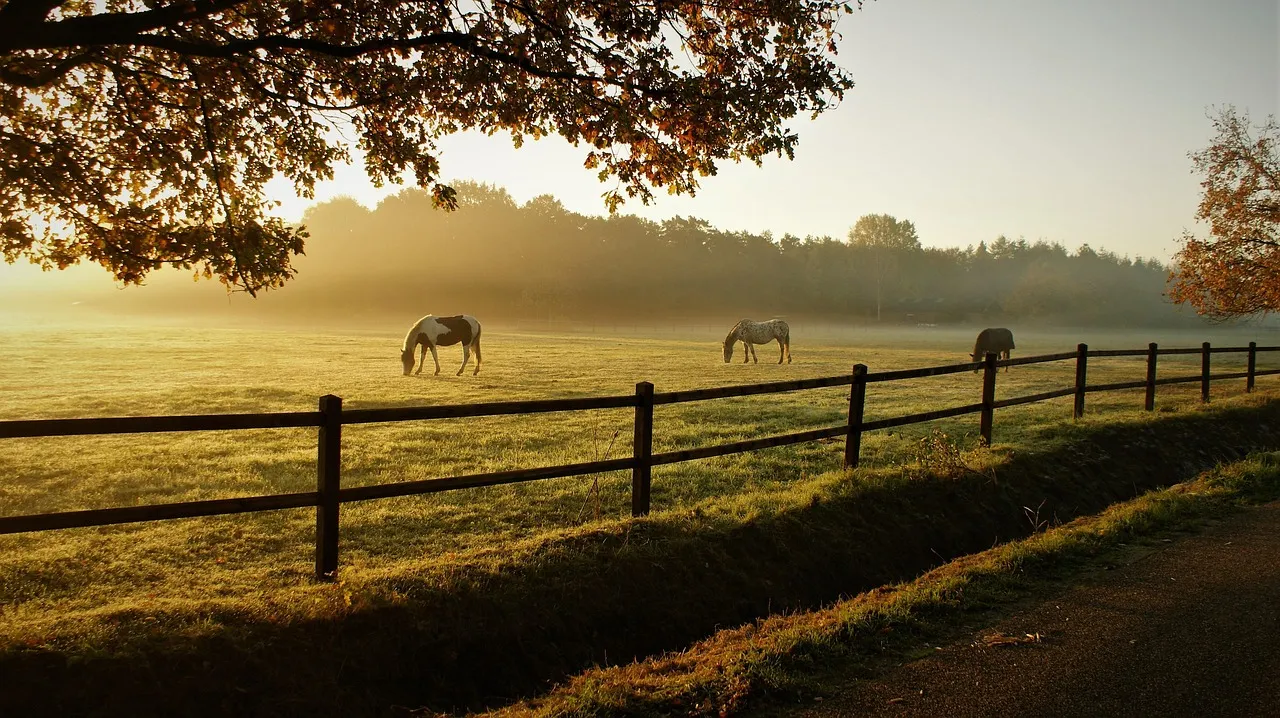
A Wyoming real estate agent named Bob Brockman once asked a rancher how somebody gets into the business. He remembers the answer: the womb, the tomb, or the altar.
Be born into it. Inherit it. Or marry it.
I have been reading about ranching for a while now, mostly because of a television programme, and that sentence did more to explain the thing than anything else I have come across.
What the land costs
Ground in Wyoming that sold for around $35 an acre in the mid-1980s now goes for around $300. The USDA put Wyoming farm real estate values up 2% in 2026, with cropland up about 4%.
For somebody who already owns land, that is equity. For somebody trying to start, it is a wall.
Kerin Clark of the Wyoming Farm Bureau puts the problem in four words: capital is an extensive commitment. Land with water on it rises fastest, which is exactly the land you would need.
The routes in that remain are the slow ones. Lease for years and buy later. Work for an established outfit and hope for a buyout at the end.
Who is actually buying
This is the part that connects to the television.
Brockman describes a large share of buyers as people who made their money in investments, businesses, stocks or other ventures, and who look at a ranch as an investment or a retreat. They are not competing with working ranchers on the strength of a cattle operation. They are competing with a chequebook filled somewhere else entirely.
I want to be careful here, because it would be easy and lazy to blame a TV show for a land market. Nobody in that article says Yellowstone caused this, and I have not found anybody who has measured it. What the article does establish is that the buyers are frequently not ranchers, and that this makes the ground harder to get for the people who would work it.
The romance and the price are at least in the same room. I am not going to claim I know which one is holding the door.
The maths on the cattle themselves
Aaron Berger, an extension educator at the University of Nebraska, names the risk he thinks ranchers underrate, and it is not drought or beef prices. It is that the economic production model currently in place for their operation will not consistently be profitable over the long term.
His description of the squeeze is plain. Input costs for equipment, fuel, fertiliser and labour have all increased significantly. The money received for cattle sold has not increased at the same rate.
The operations that survive that, in his account, are the ones continually finding ways to be more efficient, more productive, or to add value. Which is a polite way of saying the business does not reliably work as it stands and has to keep being redesigned by the person running it.
What I take from it
I came to this subject the way a lot of people did, through a drama about a family fighting to hold onto a ranch. The fighting is the plot.
The economics say something less cinematic and more interesting. The threat to a ranch is not usually a villain. It is that the land is worth more than the enterprise on it, that the people who can afford the land are not the people who want to work it, and that the cattle themselves run on margins thin enough that a manager has to keep reinventing the operation to stay level.
There is no antagonist in that. There is a price per acre, an input cost line, and a rancher in his sixties doing sums.
I would still watch the show.